
End of an Era: Wolfsburg Relegated from the Bundesliga After 29 Consecutive Seasons
The Wolves have been sent down — and German football will never quite look the same.
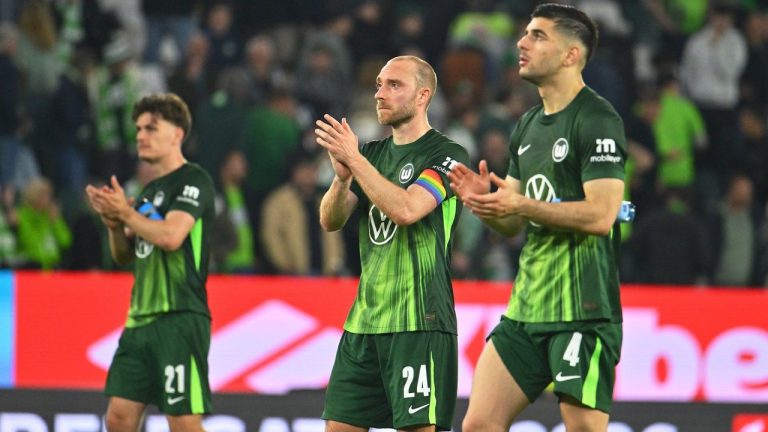
VfL Wolfsburg have been relegated from the Bundesliga after losing to Paderborn 2-1 in the second leg of their end-of-season playoff, ending their long stay in Germany’s top division. It was a cruel and dramatic farewell, decided not in regulation time, but in extra time — the final twist in a miserable campaign.
A Historic Fall
After 29 uninterrupted years in Germany’s top flight, Wolfsburg’s remarkable run came to an end following Monday’s defeat at Paderborn in the playoff second leg. It is the club’s first relegation since they were promoted to the Bundesliga back in 1997 — a staggering 29-year stretch that spanned league titles, European campaigns, and some of the continent’s biggest names pulling on the green and white jersey.
How It Fell Apart
Wolfsburg had occupied a place in the bottom two for much of 2026. A 4-0 thrashing at Stuttgart in March left them second-last after their fifth defeat from seven games, and the alarm bells were deafening. The rot had set in long before that.
In early March, an ill-tempered 2-1 home defeat to Hamburger SV — ending with rival players fighting in an on-field melee — left Wolfsburg 17th in the 18-team division after eight games without a win. Masked Wolfsburg fans threw flares onto the pitch, sending black smoke billowing behind the goal, illustrating the fury and despair in the stands.
A Last-Gasp Stay of Execution
Wolfsburg managed to haul themselves out of the automatic drop zone thanks to five points from three games between Matchdays 30 and 32, earning themselves a playoff lifeline. They gave themselves a stay of execution by beating — and thus relegating — St. Pauli on the final day of the regular season.
But the playoff against Paderborn, the third-placed side from the 2. Bundesliga, proved one step too far.
The Playoff Heartbreak
The first leg at Wolfsburg ended goalless, leaving everything to be decided in Paderborn. In the second leg, Wolfsburg’s task was made immeasurably harder when they were reduced to ten men after just 13 minutes. Laurin Curda scored Paderborn’s promotion-clinching goal in the 10th minute of extra time, after Wolfsburg’s defence left him free at the back post to fire in substitute Sven Michel’s cross.
It gave Paderborn a 2-1 aggregate victory, and with it, a place in the Bundesliga — the club’s third promotion to the top flight, after previous stints in 2014 and 2019.
Near Misses Before, But No Escape This Time
This was not the first time Wolfsburg had danced with danger. They only narrowly avoided relegation in 2016/17 and 2017/18, beating Eintracht Braunschweig in the 2017 playoff before denying Holstein Kiel a place in the top flight 12 months later. On both of those occasions, they survived. This time, under manager Dieter Hecking, there was to be no reprieve.
The End of a Volkswagen Era
Wolfsburg is, uniquely among major European clubs, a company town club — owned and deeply tied to Volkswagen. They won the Bundesliga title in 2009, reached the Champions League semi-finals in 2016, and were once home to world-class talents who lit up German football. The drop to the second division is not just a sporting embarrassment; it is a corporate and civic blow to a city and a brand built around football at the highest level.
For their supporters, Monday night in Paderborn will live long in the memory — and not in a good way. Twenty-nine years of top-flight football, over in extra time. The Wolves go down.