
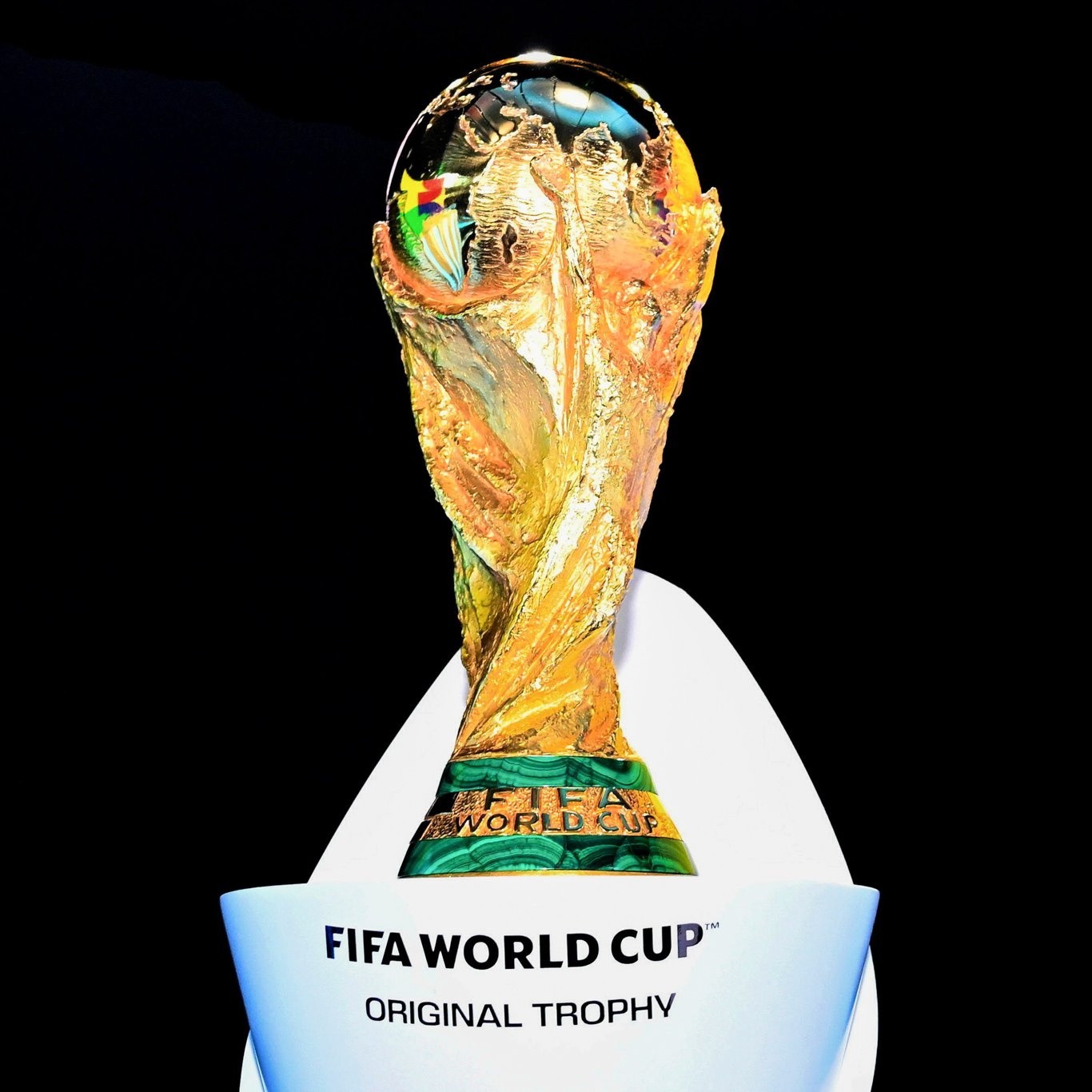
One of football’s most politically charged sagas continues to unfold ahead of this summer’s tournament in North America.
The 2026 FIFA World Cup, which kicks off on June 11 across the United States, Canada and Mexico, has been defined not just by its footballing drama but by a geopolitical crisis unlike anything the sport has ever seen. At the centre of it all is Iran — a nation that qualified for the tournament, refuses to play in the host country, and is now commuting across an international border just to take the pitch.
The Conflict That Changed Everything
Iran’s participation in the 2026 World Cup was thrown into serious doubt after forces from the US and Israel killed Supreme Leader Ayatollah Ali Khamenei during their war on Iran, which began in late February 2026. Iranian Sports Minister Ahmad Donyamali announced on state television that the country would not participate in the tournament, saying: “Considering that this corrupt regime has assassinated our leader, under no circumstances can we participate in the World Cup.”
At least 1,255 people died and more than 12,000 were injured in the opening weeks of the conflict. The decision to initially withdraw was met with widespread anguish among Iranian footballers and fans — but it was not the final word.
Iran Reverses Course — But Won’t Set Foot on US Soil
The Iranian Football Federation president Mehdi Taj later clarified that while the national team would continue preparations and had no intention of withdrawing from the tournament entirely, they would “boycott” their matches in the United States on security grounds. “We will boycott America, but we will not boycott the World Cup,” Taj said.
Iran were scheduled to play all three of their opening-round group matches on US soil, and the federation began negotiating with FIFA to have them moved to Mexico. Iran’s national team also fired back at US President Donald Trump, who had posted on Truth Social that while Iran was “welcome” at the tournament, he did not think it was “appropriate that they be there.” The Iranian team’s Instagram response was blunt, stating that the World Cup is governed by FIFA, not any individual or country.

Iran’s Extraordinary Base Camp Arrangement
FIFA refused to move the matches. FIFA President Gianni Infantino was firm at the FIFA Congress in Vancouver, saying: “Of course, Iran will be participating at the FIFA World Cup 2026. And of course Iran will play in the United States of America.”
What emerged instead was a logistical arrangement that has no precedent in World Cup history. Iran’s national team will base its training camp in Mexico and commute to the United States only on the days of their matches, after Washington declined to host the squad for the duration of the competition. Mexican President Claudia Sheinbaum confirmed that FIFA approached her administration for assistance after US authorities stated they did not want the Iranian delegation staying within US borders during the tournament.
FIFA confirmed Iran’s base shift to Tijuana ahead of their Group G clashes against New Zealand, Belgium and Egypt.
The Matches and What’s at Stake
All of Iran’s group-stage matches are scheduled on the West Coast of the US — against New Zealand on June 15 in Inglewood, California; against Belgium on June 21, also in Inglewood; and against Egypt on June 26 in Seattle.
US Secretary of State Marco Rubio stated that Washington had no objections to Iranian players participating, but added that players would not be allowed to bring with them people with ties to the IRGC. That condition alone has created its own complications within the Iranian delegation.
An Unprecedented Moment for Football
What began as a straightforward footballing story — a well-organised Iran side returning to the World Cup — has become one of the most politically charged situations in the history of the game. A nation commuting across an international border each matchday, a head of state weighing in on whether a team should compete, and a governing body attempting to hold the line between diplomacy and the sanctity of sport.
However it unfolds on the pitch, Iran’s participation at the 2026 World Cup will be remembered long after the final whistle.